In the world of blockchain and digital assets, Non-Fungible Tokens (NFTs) have transcended their initial artistic allure to innovate several traditional sectors. From transforming the music industry to revolutionizing gaming and altering real estate dynamics, NFTs are proving to be more than just digital art. This article explores the groundbreaking applications of NFTs across these diverse industries.
Music Industry Transformation
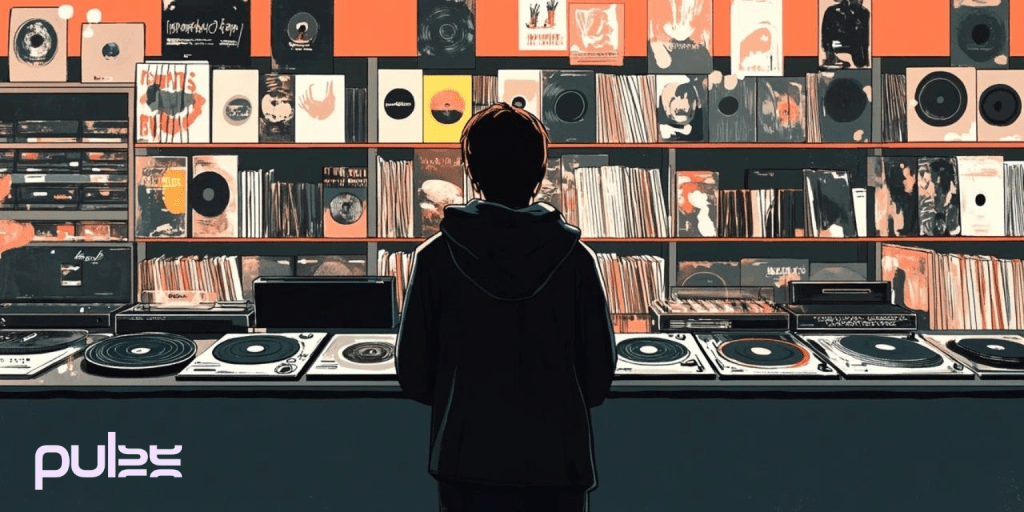
NFTs are rewriting the rules in the music industry, offering artists and creators unprecedented control over their work. Through NFTs, musicians can tokenize their songs, albums, and even exclusive experiences, thereby maintaining ownership and reaping more substantial financial rewards. For instance, artists can release limited edition tracks as NFTs, which not only ensures authenticity but also allows fans to own a piece of unique musical history. This model not only benefits artists by providing them direct income from sales but also engages the fanbase with a more personal touch, enhancing the listener’s experience and investment in the music.
Revolutionizing the Gaming World
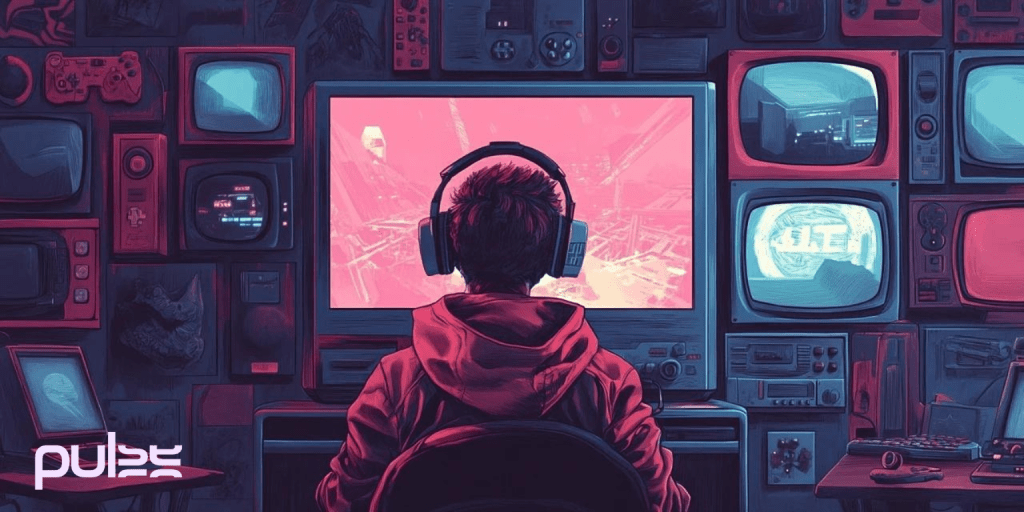
In gaming, NFTs have introduced a novel concept of truly owning in-game assets. Players can now purchase, sell, or trade their digital assets like skins, characters, and even virtual land, with real-world value. This has opened up new economic opportunities within gaming ecosystems. Games like ‘Decentraland’ and ‘The Sandbox’ have pioneered this space, where players can buy virtual plots of land as NFTs, develop them, and monetize their investments. The potential for creators and gamers to earn real income while enjoying the gaming experience presents a significant shift towards a more inclusive and financially viable gaming industry.
Real Estate Digitization
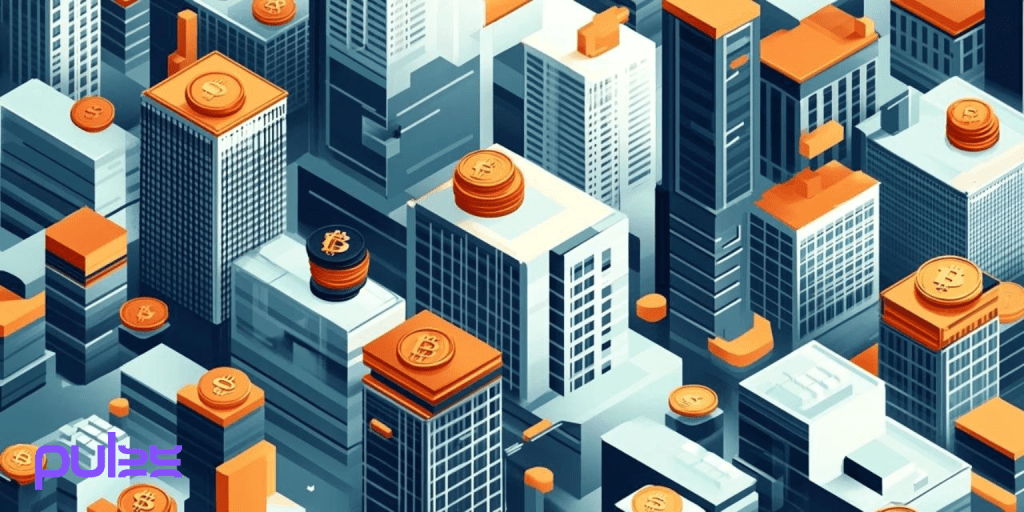
The application of NFTs in real estate is perhaps one of the most compelling innovations. Tokenizing property deeds into NFTs simplifies the processes of buying, selling, and transferring property ownership with enhanced security and transparency. This digital approach eliminates many of the traditional barriers such as lengthy paperwork, middlemen, and high transaction fees. Furthermore, fractional ownership of real estate is now possible, where multiple investors can own shares of a property represented by NFTs, making real estate investment more accessible to the average person.
Conclusion
The integration of NFTs into industries like music, gaming, and real estate is just the beginning of a broader digital revolution. As the technology matures, we can expect even more sectors to adopt NFTs, potentially transforming global business operations and personal ownership. The next frontier of NFTs is vast and varied, and it is poised to create significant disruptions, offering new opportunities for innovation and investment. As we delve deeper into this digital age, the real challenge lies not just in adopting NFTs but in leveraging them to their full transformative potential.

 Pulse
Pulse 
Leave a comment